
Dr. Alfred Tomatis and the Tomatis® Effect


Air & Bone Conduction
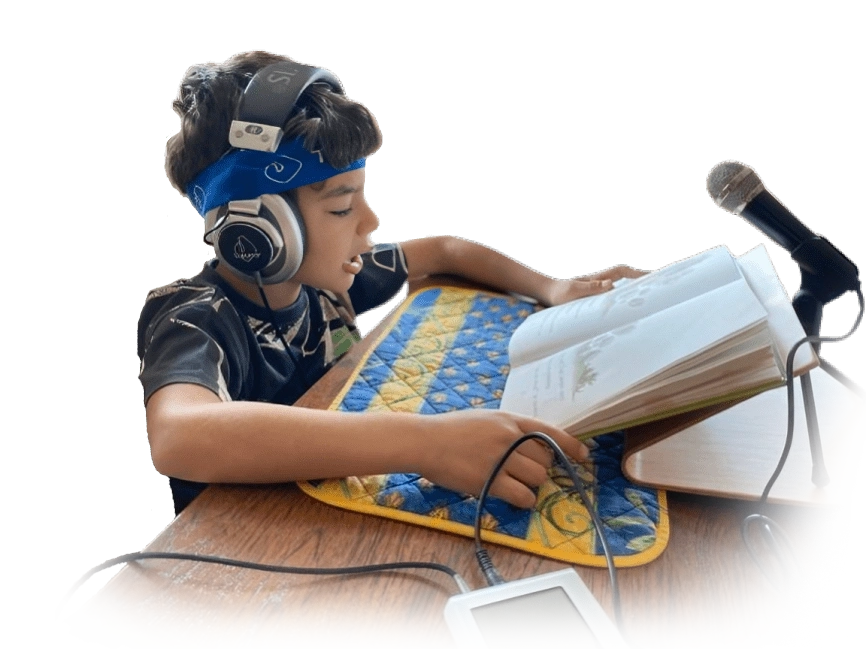
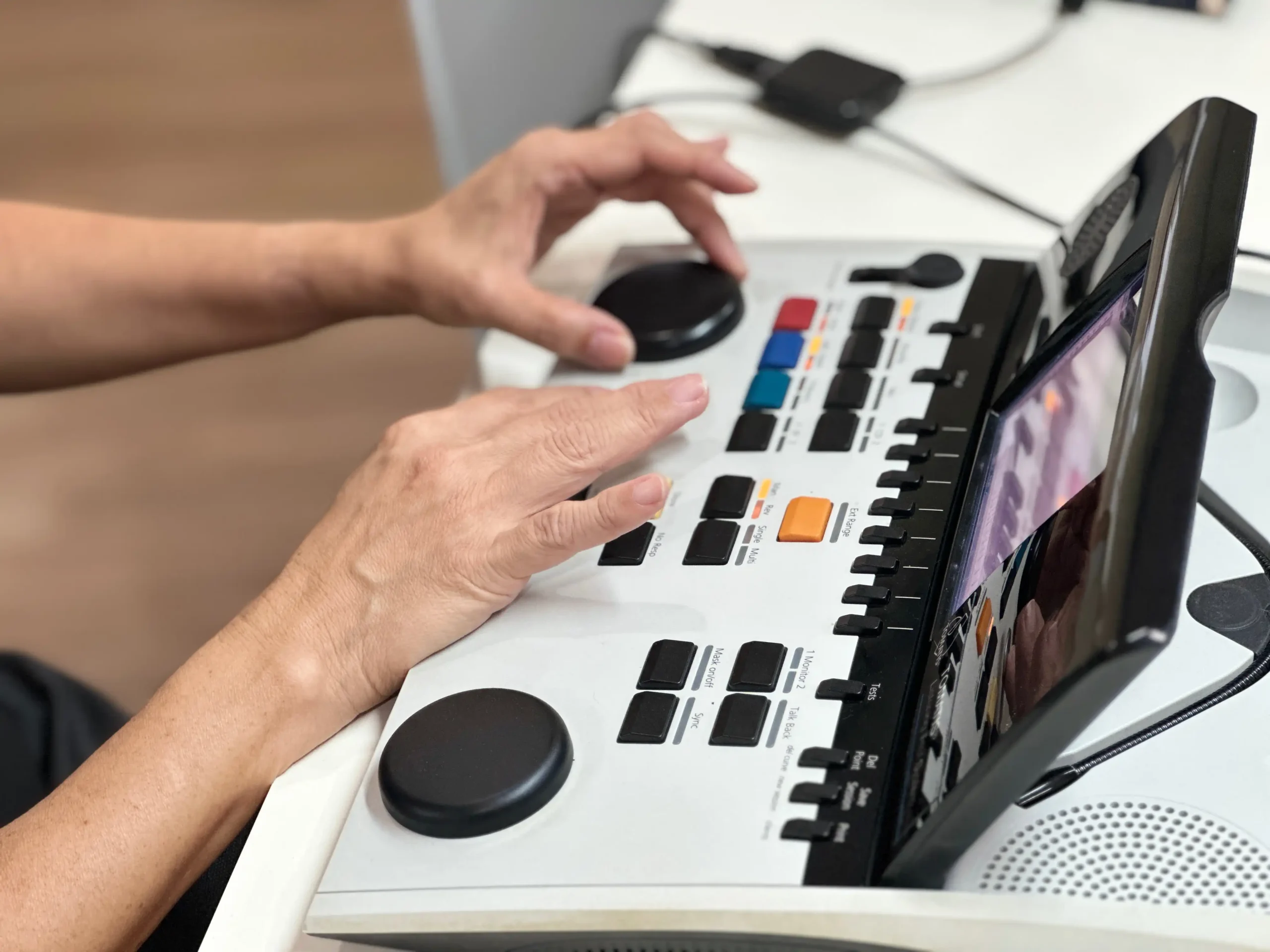
Sound travels through two primary pathways: air conduction (through the air) and bone conduction (through the bones). The Tomatis® Method uses specially designed, patented headphones to transmit sound through both pathways, enhancing auditory processing.
The method incorporates a technique known as gating, where certain frequencies are gradually altered or introduced at varying intensities. This process works with both air and bone conduction. First, sound travels through bone conduction, directly stimulating the auditory system via vibrations. Then, sound is transmitted through air conduction, further engaging the brain. The gating process modulates the sound’s flow, surprising the brain by introducing unexpected shifts in auditory input. This keeps the brain alert and enhances its ability to focus and process sound more effectively.
This combination of dual pathway stimulation and gating enhances listening skills, improves attention, and refines auditory processing, leading to lasting improvements in focus, auditory awareness, and listening abilities.
Auditory Laterality
Like our hands and feet, one ear tends to be dominant, processing auditory information more efficiently than the other. This dominance is essential for how we perceive and respond to sounds. The right ear, which is connected to the left hemisphere of the brain, is primarily responsible for processing language and logical information. This is the side of the brain involved in tasks such as reading, writing, speaking, and analyzing. On the other hand, the left ear is connected to the right hemisphere of the brain, which governs emotional processing, musical abilities, and creativity.
Ideally, children should develop right-ear dominance by the time they reach primary school age, as this helps them more effectively process language and engage with academic learning. However, in some cases, this natural shift in ear dominance does not occur. When the right ear is not the dominant ear by school age, the left ear may become dominant instead, which can lead to slower processing of linguistic and logical information. This delay in processing can result in challenges in learning, such as difficulties with reading, writing, understanding language, or even with social communication.
The Tomatis® Method can help stimulate and balance ear dominance by providing targeted auditory stimulation that encourages the brain to process sounds in a more efficient and balanced way. By promoting right-ear dominance, the method can support improved language skills, better learning abilities, and help children develop the necessary cognitive functions for academic and emotional growth.

The Mother’s Voice
By the 18th week of pregnancy, a fetus begins to hear and absorb sounds from the outside world, with the mother’s voice being the first and most influential sound. This is made possible through bone conduction, where sound vibrations travel through the mother’s body directly to the fetus. This early auditory experience is crucial for brain development, as it allows the unborn child to begin learning their native language and developing foundational pre-language skills.
The Tomatis® Method harnesses the power of the mother’s voice, recorded and transmitted through specialized techniques to recreate this prenatal auditory environment. By listening to the mother’s voice or soothing Mozart music, children can experience a form of auditory stimulation that mimics the natural conditions of the womb. This process is especially beneficial for children with emotional or developmental challenges. The Tomatis® Method supports better emotional regulation, enhances cognitive development, and helps improve communication skills by reconnecting individuals with the familiar and comforting sound of the mother’s voice.
Additionally, pregnant mothers can benefit from participating in Tomatis® during pregnancy. Engaging in this process allows them to bond with their baby before birth, fostering a deeper connection and enhancing the early stages of development. This early auditory foundation plays a vital role in fostering emotional resilience, overall well-being, and a stronger parent-child bond.
What Does Tomatis® Help With?
Increased Body Awareness & Coordination

Enhanced Gross & Fine Motor Skills
Supports the development of both large (gross) and small (fine) muscle movements, leading to better control and precision in daily activities.

Reduced Sensory Sensitivities

Emotional Balance

Improved Listening Skills
Promotes Communication & Speech Clarity
Better Social Interaction
Improved Focus and Attention

Optimized Academic Performance
Supports better learning outcomes by enhancing attention, memory, and cognitive processing skills, contributing to academic success.
Discover the Power of Sound

*Disclaimer: The Tomatis® Method is an Educational Program, and is considered neither a medical treatment nor a means to establish a medical diagnosis. The content in this website is for informational purposes only. It should be neither considered as nor substituted for medical advice.
« Tomatis », « Tomatis » + logo and « TalksUp » are trademarks owned exclusively by TOMATIS DEVELOPPEMENT S.A. Their use or modification is strictly prohibited unless expressly and duly authorized.
Image Use Policy: Certain images are used with the express permission of the individuals depicted, or their parents/legal guardians. Unauthorized use is strictly prohibited.